Leg Pain & Peripheral Vascular Disease
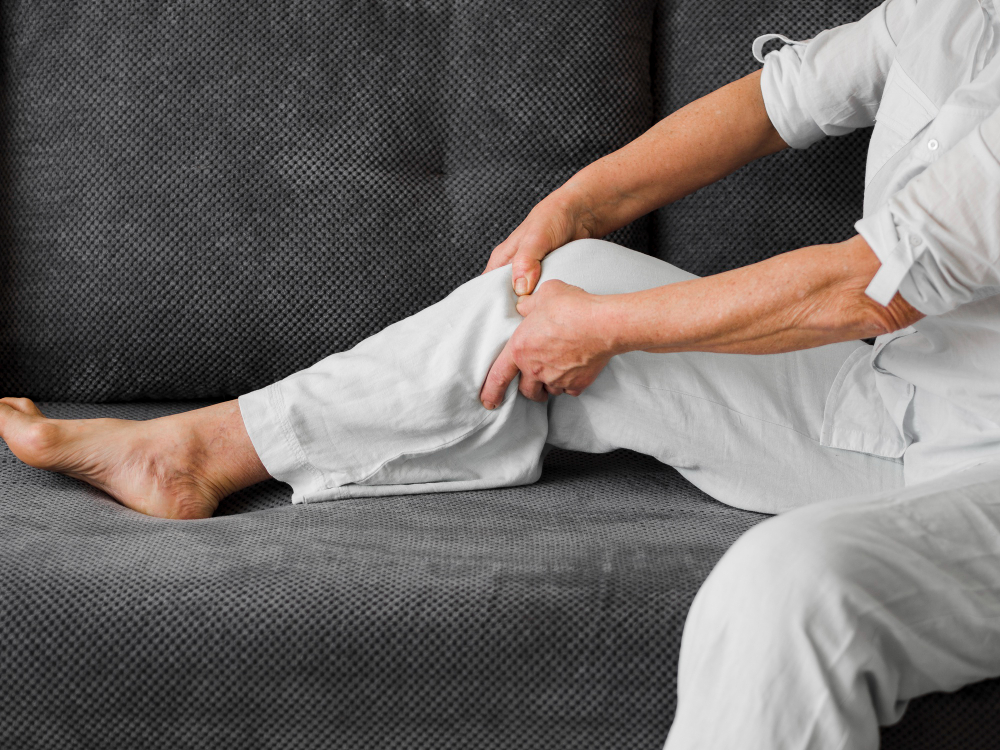
Leg pain during walking or activity can indicate peripheral arterial disease (PAD)—narrowed blood vessels reducing blood flow to the legs. At Capital Cardiac Care, our cardiologists, Dr. Pankaj Lal and Dr. Kunal Lal, specialize in diagnosing and managing peripheral vascular disease to prevent progression and restore your mobility.
Don’t dismiss leg pain as a normal sign of aging. Early diagnosis and treatment can prevent serious complications like tissue loss and amputation.
Request an AppointmentUnderstanding Peripheral Vascular Disease
Peripheral arterial disease (PAD) develops when plaque accumulates in arteries supplying the legs, reducing blood flow. The same atherosclerosis process that causes coronary artery disease and stroke affects leg arteries.
Common symptoms include:
- Intermittent Claudication – leg pain, cramping, or weakness during walking that improves with rest
- Calf or Thigh Pain – the most common location
- Leg Numbness or Weakness – especially during activity
- Coldness in one leg compared to the other
- Ulcers or Sores on the legs that heal slowly
- Hair Loss on legs and feet
Some patients have no symptoms despite significant blockage—it’s discovered only through screening.
Risk Factors for PAD
Risk factors include:
- Age over 50
- Smoking (strongest modifiable risk)
- Diabetes
- High blood pressure
- High cholesterol
- Obesity
- Sedentary lifestyle
- Family history of coronary disease or stroke
- Chronic kidney disease
Patients with PAD often have coronary or cerebrovascular disease too.
Diagnosis of Peripheral Vascular Disease
We evaluate leg pain using several diagnostic methods:
- History and Physical Exam – discussing symptoms, examining pulses in feet and legs
- Ankle-Brachial Index (ABI) – comparing blood pressure in arms and ankles; simple, non-invasive screening
- Duplex Ultrasound – ultrasound imaging showing blood flow in leg arteries
- CT Angiography – detailed imaging for treatment planning
- Magnetic Resonance Angiography – alternative imaging without radiation
- Exercise Treadmill Test – reproduces symptoms and measures exercise tolerance
Treatment of Peripheral Vascular Disease
Lifestyle Modifications (Essential):
- Smoking Cessation – absolutely critical; smoking accelerates disease progression
- Regular Exercise – walking 30-45 minutes daily, even if it causes claudication, improves outcomes
- Blood Pressure Control – target under 130/80 mmHg
- Cholesterol Management – lower LDL aggressively with statins
- Weight Management – maintain healthy weight
- Diabetic Control – if diabetic, strict glucose control prevents progression
Supervised walking programs significantly improve exercise tolerance.
Medications:
- Aspirin or clopidogrel for clot prevention
- Statins for cholesterol reduction and plaque stabilization
- ACE inhibitors or ARBs for blood pressure and vascular protection
- Cilostazol or pentoxifylline to improve blood flow (in selected patients)
Interventional Procedures:
For severe blockages or failed medical management:
- Angioplasty – balloon catheter widens narrowed artery
- Stent Placement – mesh scaffold keeps artery open
- Bypass Surgery – creates new blood vessel route around blockage
- Atherectomy – removes plaque from artery
Prognosis and Complications
PAD progression varies. With aggressive treatment and lifestyle modification, many patients stabilize. Without treatment, risk of amputation increases significantly, particularly in diabetics. Early diagnosis and intervention prevent serious complications.
Connection to Heart and Stroke Risk
Patients with PAD have high risk of coronary disease and stroke. We may recommend stress testing or other cardiac evaluations to assess your complete cardiovascular status. Comprehensive heart health evaluation and aggressive risk factor management protect your overall health.
What causes leg pain when walking?
Leg pain during walking can result from peripheral arterial disease (PAD)—narrowed blood vessels limiting blood flow—but also from nerve problems, muscle strain, or spine issues. The key PAD symptom is claudication—pain that comes on with walking and improves quickly with rest. The pain occurs because narrowed arteries can’t deliver enough blood to leg muscles during exertion. Pain location varies: calf, thigh, hip, or buttock, depending on which arteries are blocked.
How is peripheral vascular disease different from venous disease?
Peripheral arterial disease (PAD) involves narrowed arteries reducing blood flow to the legs—causes claudication and tissue damage. Venous disease involves valve problems in veins returning blood from legs—causes swelling, varicose veins, and skin changes. Both need treatment but are distinct conditions requiring different approaches. During evaluation, we assess both arterial and venous systems to identify the actual problem.
Is peripheral vascular disease life-threatening?
PAD itself is not immediately life-threatening, but it indicates significant atherosclerosis throughout your body. Patients with PAD have high risk of heart attack and stroke due to blockages in coronary and cerebral arteries. Additionally, untreated PAD can progress to severe blockage causing tissue death and amputation. Early diagnosis and aggressive treatment of PAD and underlying cardiovascular disease reduce these serious risks.
Can PAD improve with exercise?
Yes, significantly. Supervised walking programs are among the most effective treatments, improving exercise tolerance 50-100% in many patients. Walking to the point of claudication, then resting, stimulates development of alternative blood vessels (collaterals) that bypass blockages. Walking 30-45 minutes daily, or as tolerated, is recommended. Combine exercise with smoking cessation, blood pressure control, and cholesterol management for best results.
What does the ankle-brachial index measure?
The ABI compares blood pressure in your ankle to blood pressure in your arm. A normal ABI is about 1.0 (ankle and arm pressures similar). Lower ABI indicates narrowed leg arteries. An ABI of 0.9 or below suggests PAD. It’s a simple, painless screening test that helps diagnose PAD before symptoms are severe. If your ABI is abnormal, further imaging like ultrasound helps identify blockage location and severity.
Will I need surgery for peripheral vascular disease?
Not necessarily. Many patients improve significantly with medical management (medications, exercise, smoking cessation, risk factor control). Surgery is reserved for patients with severe symptoms, failed medical management, or impending tissue loss. Procedures include angioplasty, stenting, or bypass surgery. Your cardiologist will discuss whether intervention is recommended based on your specific blockage location and severity.
How does smoking affect peripheral vascular disease?
Smoking is the strongest modifiable risk factor for PAD. It accelerates atherosclerosis, increases clotting tendency, damages endothelium, and significantly worsens outcomes. Smokers with PAD are at highest risk for amputation. Quitting smoking is absolutely essential—it’s the single most important treatment step. We provide smoking cessation support and medications to help you quit.
[/div]