High Blood Pressure Treatment
High blood pressure (hypertension) is called the “silent killer” because it often has no symptoms while silently damaging your heart, blood vessels, and organs. At Capital Cardiac Care, we provide comprehensive diagnosis, management, and monitoring to control your blood pressure and prevent serious complications like heart attack and stroke.
Our cardiologists, Dr. Pankaj Lal and Dr. Kunal Lal, work with each patient to develop effective treatment plans combining lifestyle changes and medications when needed.
Request an AppointmentUnderstanding High Blood Pressure
Blood pressure is the force of blood pushing against artery walls. Normal blood pressure is less than 120/80 mmHg. Hypertension (high blood pressure) is consistently 140/90 mmHg or higher.
Hypertension develops through two main types:
- Primary (Essential) Hypertension – accounts for 90-95% of cases with no identifiable single cause; results from genetic predisposition combined with lifestyle factors
- Secondary Hypertension – caused by underlying conditions like kidney disease, sleep apnea, thyroid disease, or hormone abnormalities
Risk factors include age, family history, obesity, sedentary lifestyle, excessive sodium intake, stress, alcohol, smoking, and certain medications.
Why High Blood Pressure Matters
High blood pressure damages artery walls, contributing to coronary artery disease, stroke, heart failure, and kidney disease. Each year of uncontrolled hypertension accelerates cardiovascular disease development.
However, blood pressure control dramatically reduces risk. Lowering blood pressure by just 10 mmHg can reduce heart attack risk by 20% and stroke risk by even more.
Blood Pressure Diagnosis and Monitoring
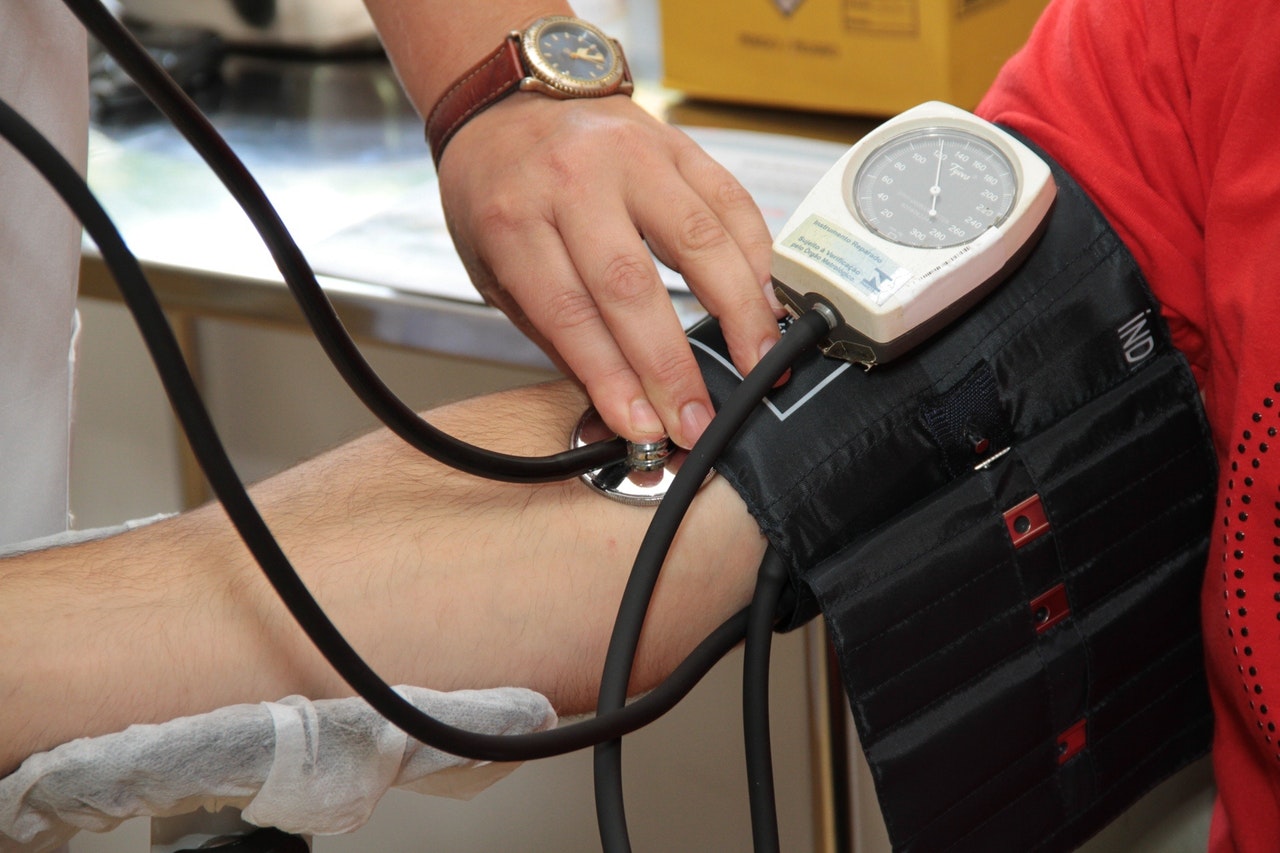
We measure blood pressure during office visits. However, office readings alone can be misleading—some people have “white coat hypertension” (elevated office readings due to stress) while others have masked hypertension (elevated home readings despite normal office readings).
We recommend:
- Home Blood Pressure Monitoring – recording readings multiple times daily at home over 1-2 weeks
- Ambulatory Blood Pressure Monitoring – wearing a portable device recording readings every 15-30 minutes for 24-48 hours
- Multiple Office Visits – establishing your true baseline before starting treatment
This comprehensive monitoring guides treatment decisions.
High Blood Pressure Treatment Options
Lifestyle Modifications (First-Line):
- Reduce sodium intake to under 2,300 mg daily (ideally 1,500 mg)
- Follow a heart-healthy diet (Mediterranean or DASH diet)
- Exercise regularly (150 minutes/week moderate activity)
- Maintain healthy weight
- Limit alcohol
- Manage stress
- Quit smoking
- Treat sleep apnea if present
Lifestyle changes alone can lower blood pressure 10-20 mmHg.
Medications (When Needed):
If lifestyle changes don’t achieve target blood pressure within 3-6 months, medications are often recommended. Common antihypertensive classes include:
- ACE Inhibitors – dilate blood vessels and reduce heart workload
- Angiotensin Receptor Blockers (ARBs) – similar mechanism to ACE inhibitors
- Beta-Blockers – reduce heart rate and force of contractions
- Calcium Channel Blockers – relax blood vessel muscles
- Diuretics – reduce fluid volume
- Alpha-Blockers and Direct Vasodilators – additional options for resistant hypertension
We individualize medication selection based on your blood pressure level, other medical conditions, and medication tolerance.
Blood Pressure Targets
For most adults, target blood pressure is less than 130/80 mmHg. For older adults or those with certain conditions, targets may be higher (140/90). Your cardiologist will set individual targets based on your specific situation and tolerance.
Ongoing Monitoring and Adjustment
Ongoing monitoring ensures your blood pressure stays controlled and medications remain effective. We schedule regular follow-up visits, adjust medications as needed, and assess for medication side effects. Over time, weight loss or improved lifestyle habits may allow medication reduction or discontinuation.
What is considered high blood pressure?
Blood pressure readings of 140/90 mmHg or higher are considered high. Stage 1 hypertension is 130-139/80-89 mmHg. Elevated is 120-129/<80 mmHg. Normal is less than 120/80 mmHg. Isolated systolic hypertension (high top number with normal bottom number) also requires treatment. Your cardiologist will assess your individual blood pressure pattern and determine appropriate targets for you.
Can you have high blood pressure without knowing it?
Yes, high blood pressure is called the “silent killer” because most people have no symptoms. You can feel fine while your blood pressure silently damages your heart, blood vessels, and organs. This is why regular monitoring is important. If you’re age 40 or older, have risk factors, or have been diagnosed with hypertension, get your blood pressure checked regularly—ideally with periodic preventive evaluations.
Does stress cause high blood pressure?
Stress temporarily increases blood pressure, but chronic high blood pressure isn’t caused by stress alone. However, stress management helps control blood pressure. Additionally, stress may lead to unhealthy behaviors (overeating, smoking, excessive alcohol) that raise blood pressure. Stress reduction techniques like meditation, exercise, and counseling are beneficial parts of hypertension management.
Can high blood pressure be cured?
Most primary hypertension cannot be “cured,” but it can be effectively controlled with treatment. Some secondary hypertension may improve if the underlying cause is treated (like sleep apnea). The goal is to maintain blood pressure in the normal range through medication and lifestyle changes, reducing your disease risk. Even patients on medications can live normal, healthy lives with proper treatment adherence.
What medications treat high blood pressure?
Common medications include: ACE inhibitors (enalapril, lisinopril), ARBs (losartan, valsartan), Beta-blockers (metoprolol, atenolol), Calcium channel blockers (amlodipine, diltiazem), and Diuretics (hydrochlorothiazide, furosemide). Often combinations of medications are needed. Your cardiologist selects medications based on your blood pressure level, other conditions, and kidney/heart function. Report any side effects—many alternatives exist.
How important is home blood pressure monitoring?
Home monitoring is very valuable. It reveals your true blood pressure pattern, identifies “white coat” or “masked” hypertension, and tracks response to medication adjustments. Record readings at the same time daily, using a validated device. Bring your logbook to appointments so your cardiologist can assess your control. Home monitoring often leads to better medication adherence and outcomes.
Can I ever stop taking blood pressure medication?
Sometimes, yes. If you achieve excellent blood pressure control through lifestyle changes (weight loss, diet, exercise, stress management) for an extended period, your cardiologist may attempt gradual medication reduction. However, most people with established hypertension require long-term medication. Never stop medications without your cardiologist’s guidance—abrupt discontinuation can cause dangerous blood pressure spikes.
What dietary changes help lower blood pressure?
The DASH diet (Dietary Approaches to Stop Hypertension) emphasizes vegetables, fruits, whole grains, lean proteins, low-fat dairy, and limits sodium, sugar, and saturated fats. Mediterranean diet is also effective. Reduce sodium to under 2,300 mg daily (ideally 1,500 mg). Limit alcohol to one drink daily for women, two for men. Maintain a healthy weight—losing 10 pounds can lower blood pressure 5-20 mmHg. We provide detailed dietary counseling during evaluations.
[/div]